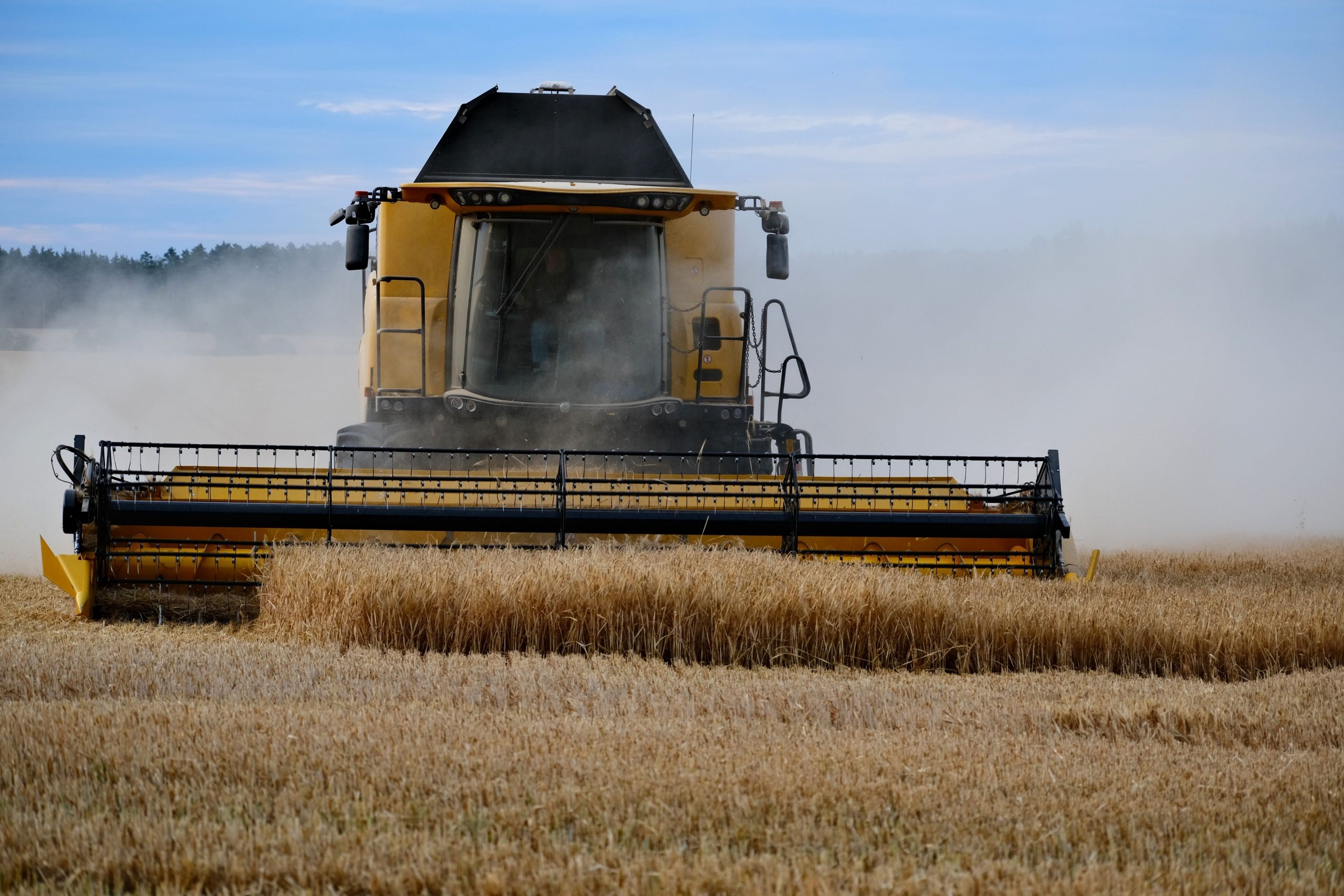
Australia’s farm sector remains one of the most realistic entry points for foreign workers in 2026. The country’s horticulture industry has just posted a record production value of around AUD 18.4 billion, yet growers from Queensland’s banana belt to Tasmania’s cherry orchards still cannot find enough hands at harvest time. An ageing rural workforce, a booming export market, and locals reluctant to relocate for physically demanding seasonal roles have pushed the Australian government to keep several visa channels wide open — from backpacker visas to fully sponsored, multi-year placements. Here is how the landscape looks in 2026, and how to get in legally and safely.
Why Demand Remains So Strong
Australia operates roughly 87,000 farms, the vast majority family-owned, and agriculture supports around 1.6 million jobs across the wider supply chain. The labour gap is now so structural that Pacific workers recruited under the PALM scheme make up about 10% of the agricultural workforce and close to a third of meat processing staff. Demand spans fruit and vegetable picking, packing sheds, dairy, livestock stations, grain harvest crews, machinery operation, and skilled roles such as farm supervisors and agronomists.
The Main Visa Pathways in 2026
Working Holiday Maker visas (subclasses 417 and 462). These remain the classic route for travellers aged 18–30 (up to 35 for several nationalities, including the UK, France, Canada and Ireland). The visa grants 12 months of work rights, and completing 88 days of “specified work” — including plant and animal cultivation, fishing, tree farming and construction — in an eligible regional postcode unlocks a second year. A further 179 days (six months) of specified work during the second year earns a third. One important 2026 nuance: UK passport holders are fully exempt from the 88-day requirement under the Australia–UK Free Trade Agreement, so any farm-work obligation you read about no longer applies to them. Everyone else must document their days meticulously with payslips showing the employer’s ABN, plus a signed Form 1263.
The PALM scheme (subclass 403). The Pacific Australia Labour Mobility scheme is Australia’s flagship sponsored program for unskilled and semi-skilled farm work, open to citizens of Fiji, Kiribati, Nauru, Papua New Guinea, Samoa, Solomon Islands, Timor-Leste, Tonga, Tuvalu and Vanuatu — with New Caledonia beginning a phased entry in 2026 through an initial cohort of up to 100 workers. Approved employers can hire for short-term seasonal placements of up to nine months, or long-term roles of one to four years in agriculture, meat processing and related sectors. Workers receive the same workplace rights as Australians, a minimum-hours guarantee (120 hours over each four-week period as of 2026), employer support with upfront costs such as flights, and a flat 15% tax rate on the short-term stream. Applications are free and run through each country’s official labour sending unit — never through paid agents.
Skilled and employer-sponsored visas. For experienced candidates, the Skills in Demand visa (subclass 482) covers roles like farm managers, agronomists, livestock technicians and machinery operators, while the Skilled Employer Sponsored Regional visa (subclass 494) and state-nominated subclass 491 offer regional placements with a genuine pathway to permanent residency. Employers in many farming regions also recruit under Designated Area Migration Agreements, which relax standard skill and English thresholds for agricultural occupations. Sponsored skilled roles commonly advertise packages between AUD 75,000 and 130,000, and some large producers add relocation support, housing and bonuses.
The 2026 Seasonal Calendar: Where the Work Is
Because Australia’s climate zones stagger their harvests, there is picking work somewhere in every month of the year:
Queensland — bananas year-round in the tropical north around Tully and Innisfail; winter strawberries near Bundaberg and Caboolture; mangoes from November to February.
New South Wales — blueberries along the Coffs Harbour coast; cherries around Young and Orange from November to January; citrus in the Riverina.
Victoria — stone fruit and pears in the Goulburn Valley from January to April; table grapes around Mildura; year-round dairy work in Gippsland.
South Australia — Riverland citrus and the Barossa wine-grape vintage from February to April.
Western Australia — Ord Valley melons through the dry season and the grain harvest from October to December.
Tasmania — cherries and berries from December to February, apples from March to May.
The government’s free Harvest Trail service and Workforce Australia listings are the safest starting points for verified seasonal vacancies.
Pay, Conditions and Worker Protections
Farm work in Australia is award-regulated, and 2026 rates are healthy by global standards. The national minimum wage sits at AUD 24.95 per hour as of January 2026, with the annual Fair Work increase applying again from 1 July 2026. Adult casual pickers under the Horticulture Award must receive at least about AUD 30.35 per hour, and piece rates are legally required to let an average competent worker earn at least 15% above the minimum hourly rate, backed by a daily minimum-wage floor — no one can lawfully earn below the hourly minimum even on a slow day. In practice, weekly earnings typically range from AUD 800 to 1,800, experienced cherry or mango pickers can clear AUD 300–400 a day, and full-time general farm roles commonly pay AUD 52,000–77,000 a year. Working holiday makers are taxed at a flat 15% on income up to AUD 45,000, and free or subsidised on-farm accommodation is common in remote regions.
How to Apply — and How to Avoid Scams
Apply through official channels: Harvest Trail, Workforce Australia, the published list of approved PALM employers, licensed labour-hire firms, or the careers pages of major producers. Prepare a simple CV, a valid passport, and evidence of physical fitness and basic English. Then watch for the red flags that target visa-hungry workers: employers who cannot produce an ABN, cash-in-hand pay with no payslips, upfront “placement” or “guaranteed job” fees, and piece rates that persistently work out below the minimum wage. Legitimate sponsors never charge you to be hired, and without proper payslips your days will not count toward any visa extension.
Final Thoughts
In 2026, Australia offers one of the world’s most structured markets for foreign farm labour: strong award wages, genuine sponsorship streams, and — through the skilled regional visas — a credible route from the paddock to permanent residency. Pick the visa that matches your passport and experience, follow the harvest calendar, keep every payslip, and the opportunities are real.





Be First to Comment